The End of "CoolGuy2004": Google Finally Rolling Out Official Gmail Address Changes
For over two decades, your @gmail.com address was permanent. Now, a newly discovered Google support document reveals that the tech giant is finally allowing users to swap their usernames without losing a single email or file.

For years, one of the most frustrating limitations of the Google ecosystem has been the permanence of the @gmail.com address. Whether you chose an embarrassing username as a teenager or simply underwent a legal name change, your only option was to start from scratch with a brand-new account.
That is finally changing. According to a recently updated Google support document, the company is gradually rolling out a feature that allows users to change their primary Gmail address while keeping all their data—including emails, photos, and Drive files—completely intact.
India-First Rollout
The feature was first spotted by the Google Pixel Hub Telegram group within Google’s Hindi-language support documentation. While the English version of the page still claims that @gmail.com addresses "usually can't be changed," the Hindi version outlines a detailed process for the swap. This suggests that Google is using India as a primary test market before a likely global rollout in early 2026.
How It Works: No Data Left Behind
Unlike creating a new account, this "swap" treats your old address as a secondary alias. Here is how the transition functions:
Dual Sign-In: You can continue to log into Google services (YouTube, Maps, Drive) using either your old or your new address.
Aliasing: Emails sent to your original address will be automatically forwarded to your new inbox.
Security: Your old address remains yours; it cannot be claimed by another user, ensuring your digital identity remains secure.
The Catch: Strict Limitations
Google isn't making this an unlimited free-for-all. To prevent abuse and spam, the support document outlines specific "guardrails":
A 12-Month Cooldown: Once you change your address, you cannot change it again or delete the new address for exactly one year.
Lifetime Limit: Each account is limited to a total of three changes (allowing for four different addresses over the account's lifespan).
App Resets: Google warns that some app settings may reset, and Chromebook users should back up local files before making the switch to avoid access issues.
Why Now?
Competitors like Microsoft Outlook and Proton Mail have long offered robust alias and address-change features. As Gmail enters its third decade, many of its earliest users are now professionals still tethered to "juvenile" usernames. By introducing this feature, Google is finally giving users the flexibility to evolve their digital identities without the "nuclear option" of deleting 20 years of history.
While there has been no official press release, the presence of detailed support documentation suggests a public launch is imminent. Users can check for eligibility by navigating to Google Account Settings > Personal Info > Email.
Gillade du inlägget?
Dela det med någon som också kan tycka det är intressant.
Fortsätt läsa
Relaterade länkar i samma kategori.
 feber.seNews
Feber
Feber är din dagliga källa till allt om teknik, bilar, prylar, spel, vetenskap och populärkultur. Vällkommen!
 feber.seNews
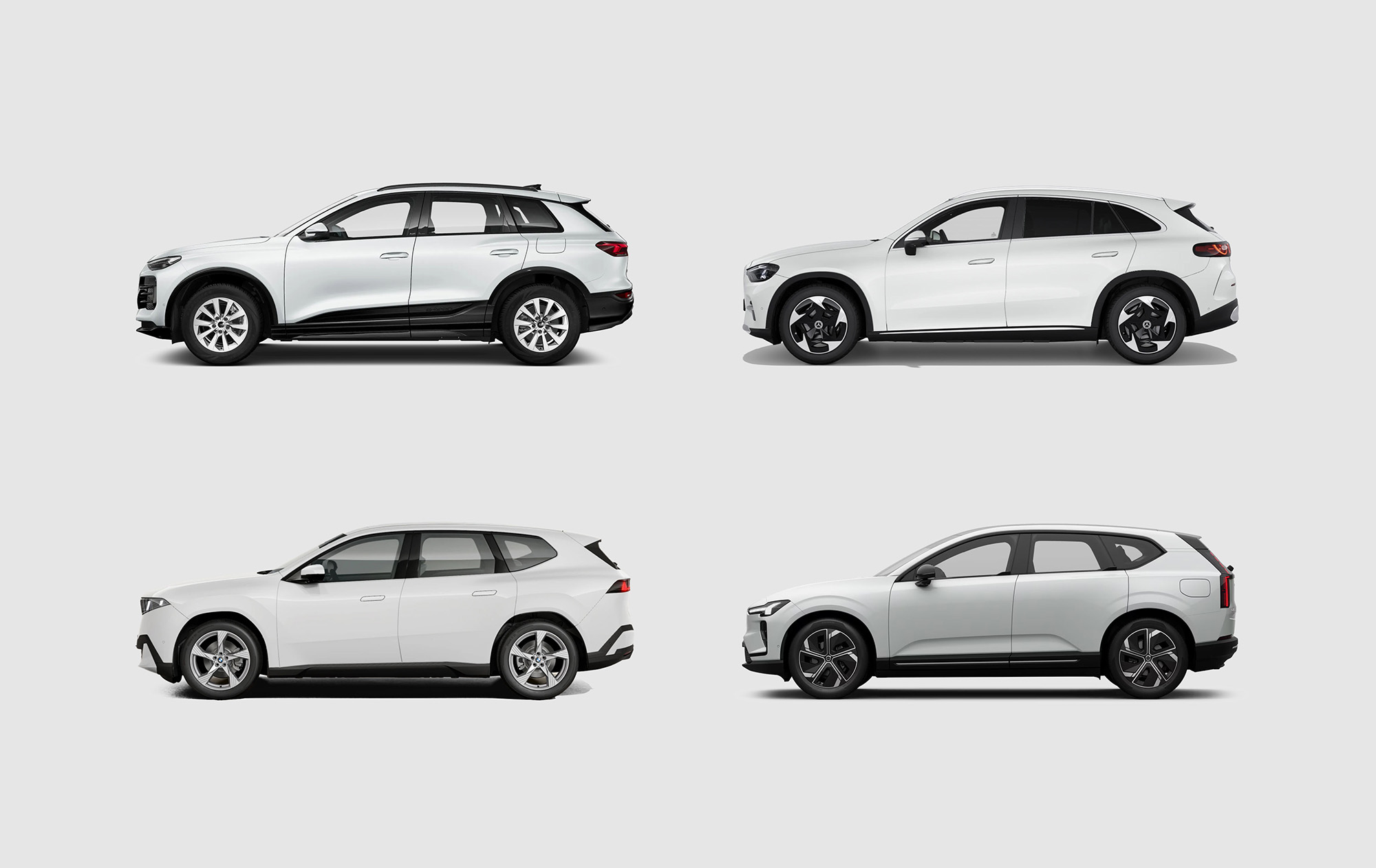
Så står sig Volvo EX60 mot tyskarna! Vi jämför med Audi, BMW och Mercedes.
Vill du ha en bra eldriven suv och har runt 750.000 kronor på fickan? Grattis! Nu har du fler alternativ än någonsin. Audi har sin Q6 sedan länge, men nu är Mercedes på gång med en ny GLC, BMW på gång med en ny iX3 och sedan igår är Volvo på gång med nya EX60. Men vilken är bäst? Börja med att klicka på länken till Automatos så att du får upp all fakta i ett andra fönster, så att du kan jämföra direkt. De tre tyskarna har egentligen bara en variant var. Q6 Quattro, GLC 400 4Matic, iX3 50 xDrive. Volvo har tre olika varianter, men det är mellanvarianten P10 AWD som vi ska jämföra med här. Kollar vi på Automatos-poäng så är det BMW som är vinnaren med 68 poäng, följd av Volvon på 64 poäng, Mercedes på 60 poäng och Audin sist med 53 poäng. Audin får sämst betyg eftersom den helt enkelt är lite sämre på allt. Inte dålig, men heller inte lika bra. Dessutom är den dyrast i gänget med sina 789.900 kronor. När man lägger till att inredningen är dum och baksätet trångt så åker faktiskt denna ut redan innan slutspelet har börjat på riktigt. BMW kommer längst för pengarna På batterisidan vinner BMW med en räckvidd på över 80 mil. För att få samma räckvidd med Volvon behöver du kliva upp till P12 AWD och då hamnar prislappen norr om 800.000 kronor. Vill man verkligen betala 60.000 kronor mer för en Volvo jämfört med en BMW? Alla tre märkena levererar annars riktigt bra när det gäller batteri. Man har lite olika fart på snabbladdning men när det i praktiken troligen bara kommer att skilja någon minut vid laddstationen, ja då får vi säga att den delen är oavgjord. Mercedes är störst På avdelningen utrymmen vinner Mercedes stort på pappret. I bagaget får man plats med 570 liter, vilket ska jämföras med 520 respektive 523 i BMW respektive Volvo. Mercedesen har dessutom en frunk på 128 liter, när både BMW och Volvo har 58 liter. BMW har lite sämre dragvikt med 2000 kg, både Volvo och Mercedes har 2400 kg. BMW och Mercedes lite bättre än Volvo På prestandasidan är det väldigt jämnt. Snabbast är Mercedes, sedan kommer Volvo och sist BMW. Men alla tre bilarna tar sig till 100 km/h på under fem sekunder och man behöver inget mer. Oavgjort här, eller möjligen en liten fördel till Mercedes. Vilken är det bästa valet? Är räckvidden viktigast, välj BMW. Är utrymmen viktigast, välj Mercedes. Men det är oerhört jämnt. Jag tror att alla köpare av de här bilarna kommer att välja den bil som de tycker är snyggast. Alla tre är på pappret helt fantastiska. Alla är dyra, men ingen är ett dåligt val och ingen har några plumpar i protokollet. Välkommen till framtiden! För i framtiden kommer det se ut så här i premiumsegmentet, alla bilar kommer att vara mer eller mindre perfekta på pappret. Nu kommer det att handla om design, smarta lösningar, garantier och hur man tar hand om kunden. Allt det där mjuka.
Relaterade inlägg
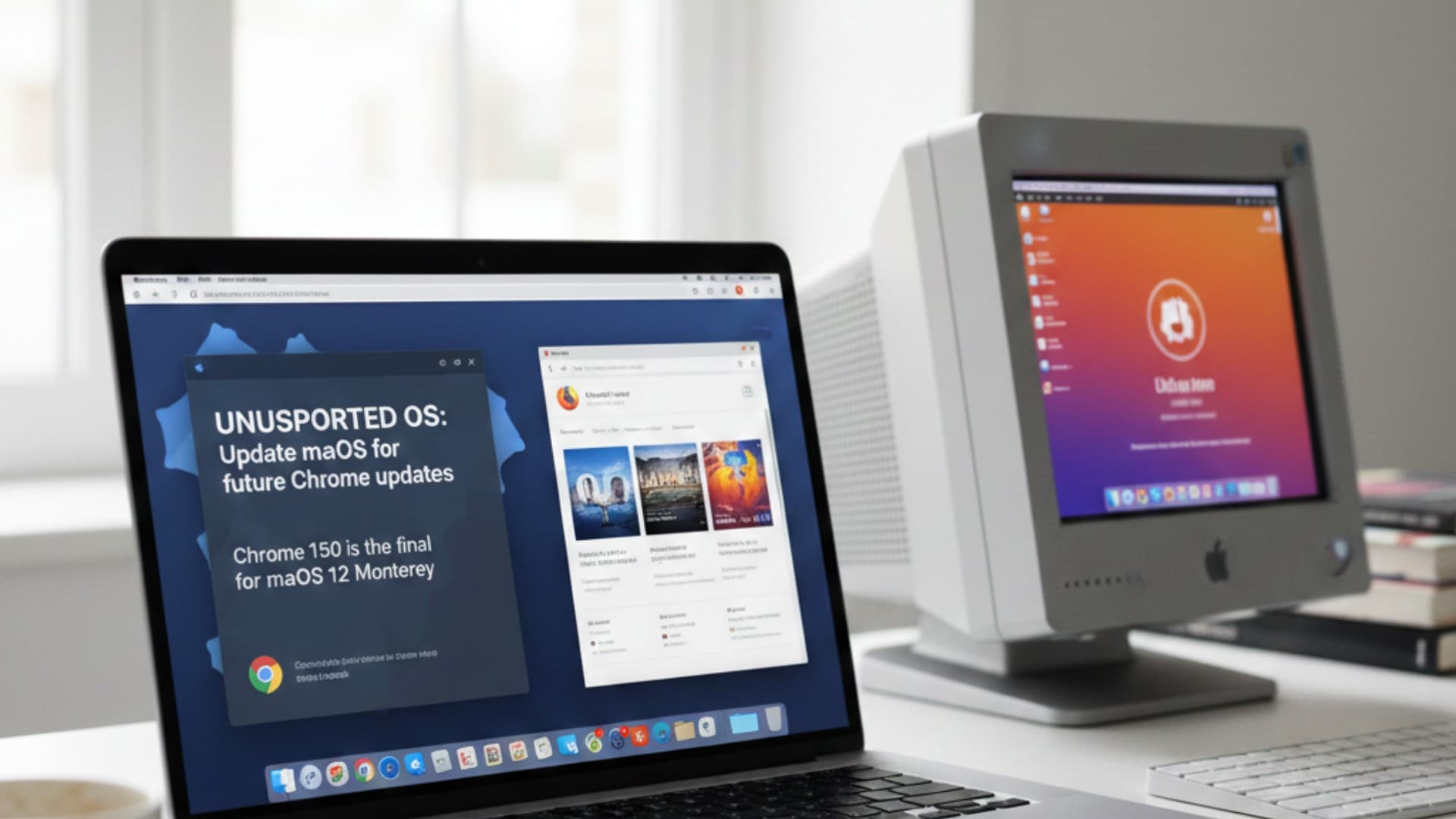
Chrome and My Mac: Facing the End of Monterey Support (and My Ubuntu Solution!)
Google Chrome is ending support for macOS Monterey, leaving many users (including me, with my trusty Macs running Ubuntu Linux!) to consider their options. Here's my take on what this means and how I'm navigating the change.